Induction seal vs cap liner: which container seal to use
A decision guide to the two ways a container is sealed: a compression cap liner or a bonded induction seal, and which of Nisan's liner types each points to.
Two jobs, two kinds of seal
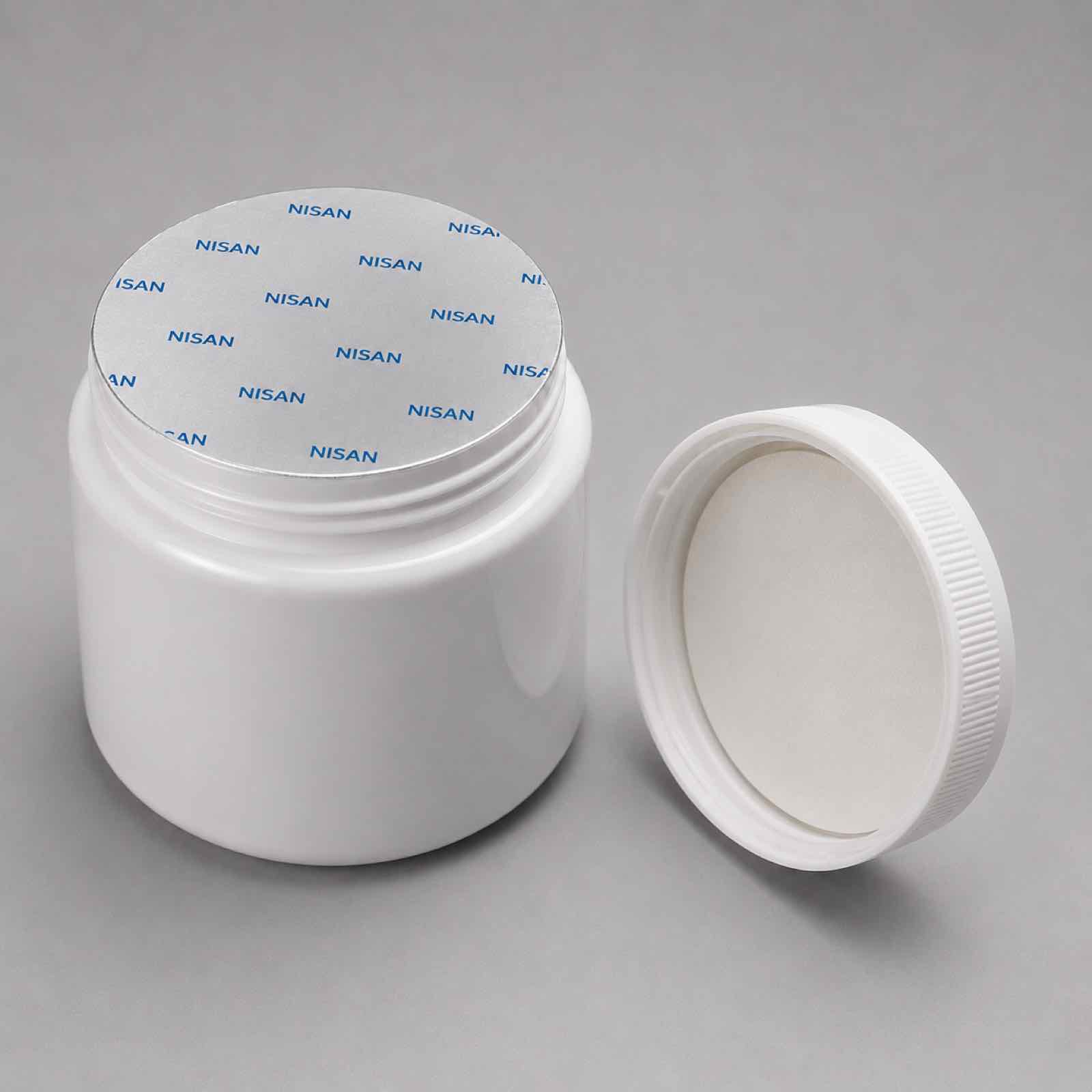
Every container closure has to seal, but there are two very different ways to do it. A cap liner seals by compression, a disc inside the cap presses against the container mouth as the cap is tightened. An induction seal instead bonds a foil membrane directly onto the container rim using heat, creating a closed barrier that has to be broken to open.
The right choice depends on how much protection and tamper evidence the product needs, and whether the pack has to reseal after opening.
When a cap liner (EPE) is enough
A primary cap liner, commonly made from expandable polyethylene (EPE) foam, gives cushioning and recovery that compensates for minor rim irregularities. EPE also has low water absorption and resistance to chemicals.
This suits products where a compression seal is sufficient and the closure is opened and re-closed repeatedly, chemicals, detergents, and pharmaceutical syrups among them.
When you need an induction seal
Induction seals add a hermetic bond and visible tamper evidence. A two-piece induction liner bonds a carton-backed aluminium foil to the rim through a non-contact induction process; the foil stays on the container while the backing disc remains in the cap, so the closure can be reused once the seal is opened. Tabbed liners add an integrated pull-tab for easy, controlled opening without giving up tamper evidence.
These suit products that need leak protection and a clear first-open signal, edible oils, cosmetics, and beauty products among them.
Glue-bonded liners for rigid containers
A glue-bonded liner combines an aluminium foil layer with carton material, adhered to form a durable bond in rigid containers such as coffee jars, an option where a bonded seal is wanted without an induction step.
At a glance
| Seal type | How it seals | Reusable closure | Tamper-evident | Typical use |
|---|---|---|---|---|
| EPE cap liner | Compression inside the cap | Yes | No | Chemicals, detergents, syrups |
| Glue-bonded liner | Adhesive bond to rim | Yes | Yes | Coffee jars, rigid containers |
| Two-piece induction | Heat-induction bond to rim | Yes (backing stays) | Yes | Edible oils, cosmetics |
| Tabbed induction | Induction bond with pull-tab | No | Yes | Easy-open, tamper-evident |
Matching to Nisan's range
Nisan supplies all four: EPE primary (cap) liners, glue-bonded liners, two-piece induction seals, and tabbed liners, for food, beverage, pharmaceutical, chemical, veterinary, and industrial containers. For a fuller breakdown of each liner type and its materials, see the companion guide, Choosing a container sealing liner.
Related products
Related industries
Enquiries