How aluminium foil protects dairy and food products
The aluminium foil barrier in dairy and food packaging, backed by independent industry bodies and published research, the same protection built into Nisan's lidding lines.
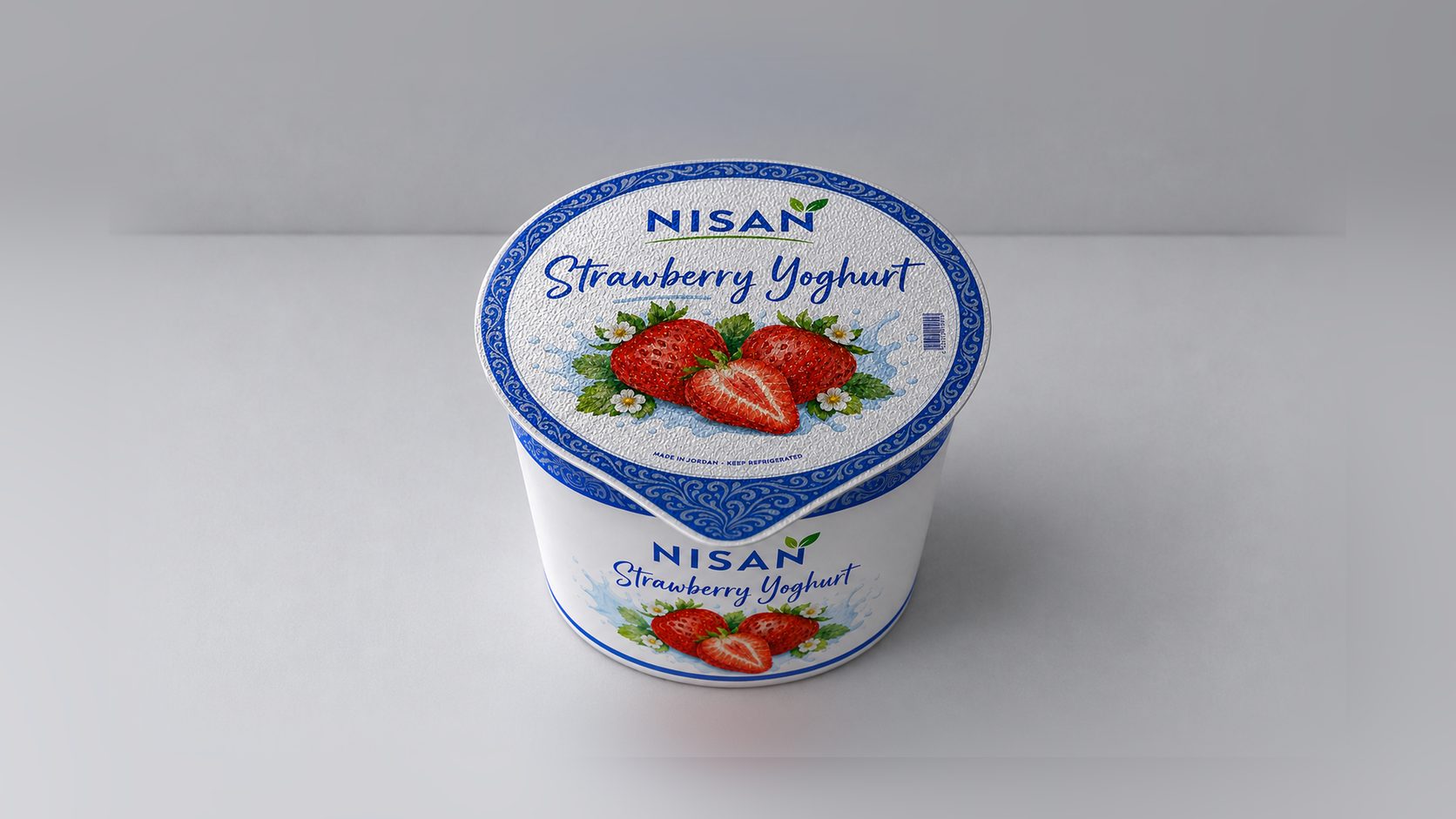
The barrier that protects freshness
The protective value of aluminium in food packaging comes from its barrier. The European Aluminium Foil Association notes that even a very thin aluminium layer makes packaging impervious to light, odour and gases, providing a crucial barrier to light and oxygen.¹ For fresh and preserved foods, it states that an aluminium foil layer is essential for full protection against light and gases, and that a high-barrier aluminium foil laminate lid can extend the life of a short-life fresh product.²
Nisan's aluminium lids, AluPet rolls, and paper-foil laminate are engineered to provide barrier protection against moisture, oxygen, and light, the same factors these bodies identify, helping maintain product quality and extend shelf life.
Light protection matters most for dairy
Published research shows how much the barrier can matter. A study of UHT milk found that cartons incorporating an aluminium-foil barrier and stored in the dark had a minimum shelf life of about six months, versus four to five months for non-foil alternatives, while non-foil packs exposed to strong light developed off-flavours within two to eight weeks.³ The European Aluminium Foil Association similarly notes that opaque foil lids extend shelf life by protecting sensitive contents from the strong fluorescent lighting of refrigerated supermarket display cabinets.¹
This is the segment Nisan's lidding range is built for: printed and unprinted aluminium lids for yoghurt and other dairy cups, AluPet rolls for dairy-based drinks, and paper-foil laminate for dairy and frozen desserts.
A secure seal, with easy opening
A barrier only works if the seal does. Reviews of flexible food packaging identify heat-seal integrity as a critical factor in package performance,⁴ and dedicated work on peelable seals addresses opening packs cleanly after thermal processing.⁵
Nisan's AluPet rolls carry a heat-sealing lacquer, and its aluminium lids use embossing patterns that support smooth peelability while preserving sealing strength.
Shelf presence through print
Beyond protection, the pack has to sell. Research on packaging design reports that consumers' purchase decisions are influenced strongly by on-pack graphics, with sustainable form and information also raising buying intention.⁶
Nisan prints in-house on flexographic lines using food-grade inks, with high-definition clarity, supporting brand presentation on the shelf across its lidding and foil lines.
A note on material efficiency
On sustainability, the Flexible Packaging Association reports that flexible packaging's light weight gives it a smaller life-cycle footprint and a high product-to-package ratio, and that protecting products helps reduce food waste.⁷ Nisan's foil lidding and paper-foil laminate are flexible, lightweight formats; specific environmental performance depends on each application and is not claimed here beyond that general context.
References
- 1.European Aluminium Foil Association (EAFA), Dairy.
- 2.European Aluminium Foil Association (EAFA), Preserved Food.
- 3.Sensory and chemical quality of UHT-milk stored in paperboard cartons with different oxygen and light barriers. Food Additives & Contaminants, 1998.
- 4.Understanding the factors affecting the seal integrity in heat sealed flexible food packages: a review. Packaging Technology and Science, 2021.
- 5.Bamps et al., Optimal peelable seals in packaging concepts undergoing thermal processing. Technical Bulletin 117/2021 (ThermoPeel).
- 6.Borgman, Mulder-Nijkamp & de Koeijer, The influence of packaging design features on consumers' purchasing and recycling behaviour. University of Twente, 2018.
- 7.Flexible Packaging Association (FPA), Sustainable Packaging.
Related products
Enquiries